
Craft · 2 June 2026 · 6 min
The eight-dip indigo
In Kutch, a vat of natural indigo is a living thing that has to be fed. We dip eight times and then let the colour leave.
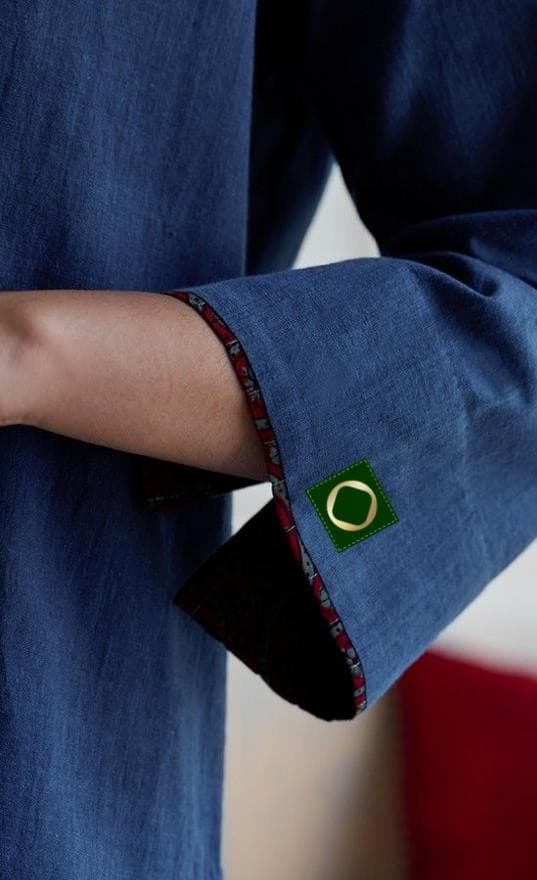
A natural indigo vat is fermented, not mixed. It is fed with jaggery and lime, it has a temperature it prefers, and a dyer who has kept one for thirty years will tell you its mood before touching it. Get it wrong and the whole vat goes off.
Cloth comes out of the vat green and turns blue in the air as the indigo oxidises. One dip gives you a pale, uneven wash. Eight dips, with a full oxidation between each, gives you the depth we want and a colour that sits on the surface of the fibre rather than inside it.

A natural indigo garment is at its least interesting on the day you buy it.
That last part is why natural indigo fades, and why we consider the fading a feature. Synthetic indigo penetrates and stays flat for years. Natural indigo sits shallow, so it wears at the seams and the fold lines first, exactly where the garment is actually used. After a year the piece is a record of how you wore it.
The practical consequence: wash it alone for the first four washes, in cold water, and dry it out of direct sun. Sun will streak it unevenly, which is the one kind of fading nobody wants.